Tags: blog, tv, comedy, recommended, 2026
Author: KickingK
Date: Saturday October 24th, 2026
Howzat!
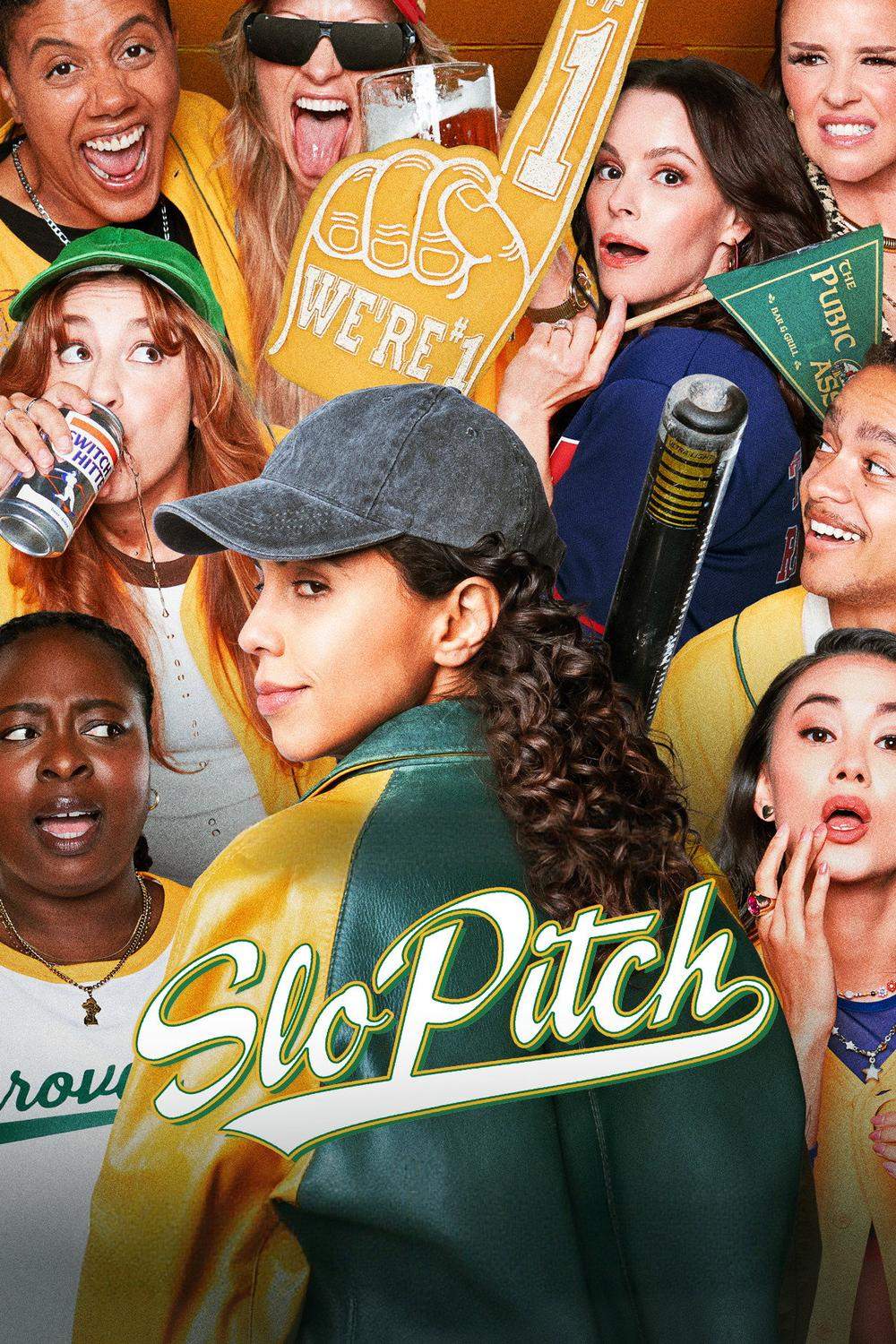
 Well this arrived at just the right time.
Coming hot on the heels of the disappointing failure of Ted Lasso, this is basically it's polar opposite, it's antithesis.
Slo Pitch is a messy, meandering, mid-tier comedy. Eventually it's also marvellous and mellifluous.
But most importantly, unlike Ted Lasso, it cares about women's sport and, no, sorry, that's a blatant lie. Slo Pitch cares about sport significantly less than it cares about drinking and getting laid. But it really cares about people who play sports, even if they also care more about drinking and getting laid than winning games. There's not much of an 'it's about the friends we made along the way' message as they're already friends and treat underarm baseball as a way to hang out. An early episode has the coach hiding the team's beer in an attempt to win a game, only to abandon the idea when she realises that there's no point playing underarm baseball if you can't get drunk with your mates whilst doing it.
So yeah, Slo Pitch starts off at a drunken stumble. The 'mockumentary' framing is tired and lazy, episodes are shown in a weird order in a baffling attempt at structure and threads and characters drift in and out of the series' narrative seemingly at random.
But the characters are strong and memorable. Especially Boris and Barb who's side story threatens to upstage the show's principle plot. And once it starts to settle down, starts working out the arc of it's character's relationships, it really starts to sparkle. Gradually, it works everything into a series of traditional sit-com set ups and the jokes arrive at a tumble and the back half of the series is terrific.
It's nothing that will set the world alight, but it's an enjoyable comedy that, crucially, cares about it's subject matter.
Literally in a league of it's own.
Poster Credit Where to Watch
Tags: blog, film, documentary, recommended, 2026
Author: KickingK
Date: Tuesday October 20th, 2026
My God, It's full of sheep
I remember the eighties and the things I remember most vividly about it are the computer games. And they weren't like how they are presented through mainstream retro gaming culture. That's all talk of the 'great video game crash', arcade games, Mario Bros' coin sound effects, NES, CGA & VGA palettes.
But almost none of that happened in the UK. We had computer games, not videogames. Arcades existed but were expensive and therefore a rare treat. NES and PC's were the toys of the rich kids. Our palettes were the garish clash of the Spectrum or the muted muds of the Commodore. Our sound effects started as synthwave and ended up creating the entire musical genre of rave and jungle.
This is because computer games in Britain started not as a money making scheme but as a hobbyist scene. The first home computer to really explode was the ZX80, which you could buy for just shy of a ton. Or a score cheaper if you bought it as a kit and soldered it together yourself. Which a lot of people did.
The ZX80 kickstarted the computer game industry in this country, which means that it was started not by corporations with dollar signs in their eyes, but by people prepared to solder their own computers to save a couple of Ayrton's.1
And those people, and I mean this in the most complimentary way possible, are not normal. They made computer games because they wanted to see what was possible and they took inspiration from what ever was around them.
This resulted in the biggest selling computer game from 1984 being about a man trying to clean up his mansion after going on a massive bender. The box art looked like this.
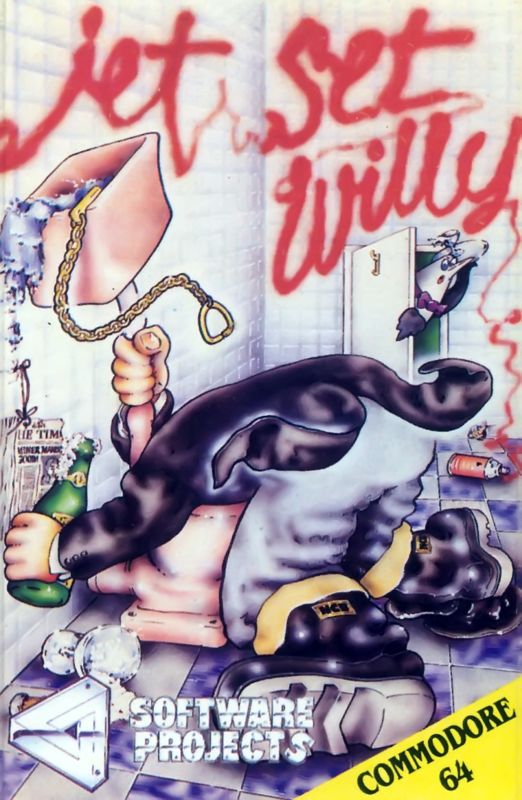
And the game looked like this.
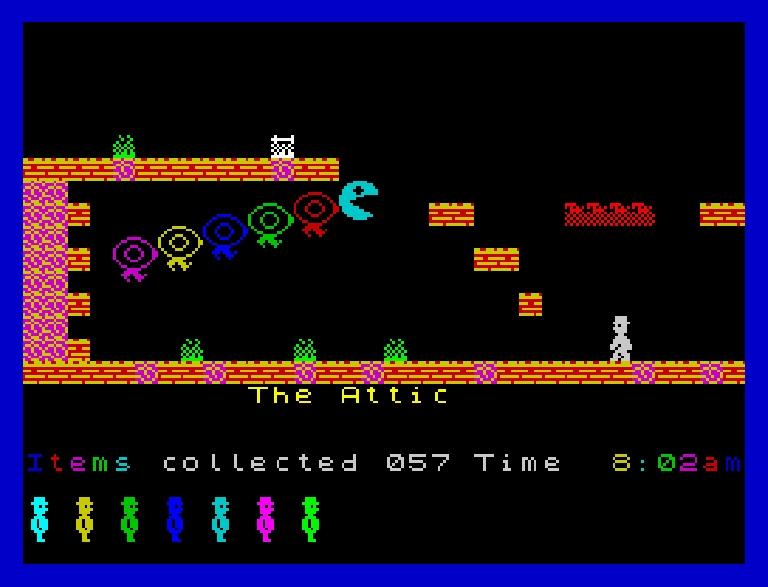
This isn't some wild aberration, this was par for the course. This is what happens when gaming culture is created by teenagers reared on Monty Python, It's a Knockout, Spike Milligan and Viz.
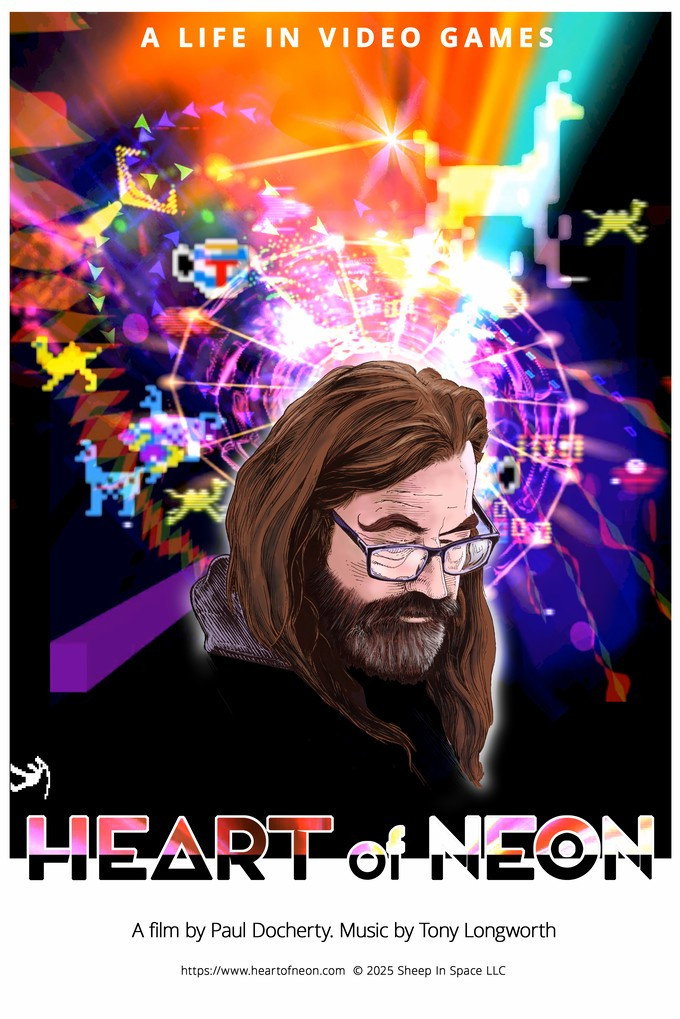
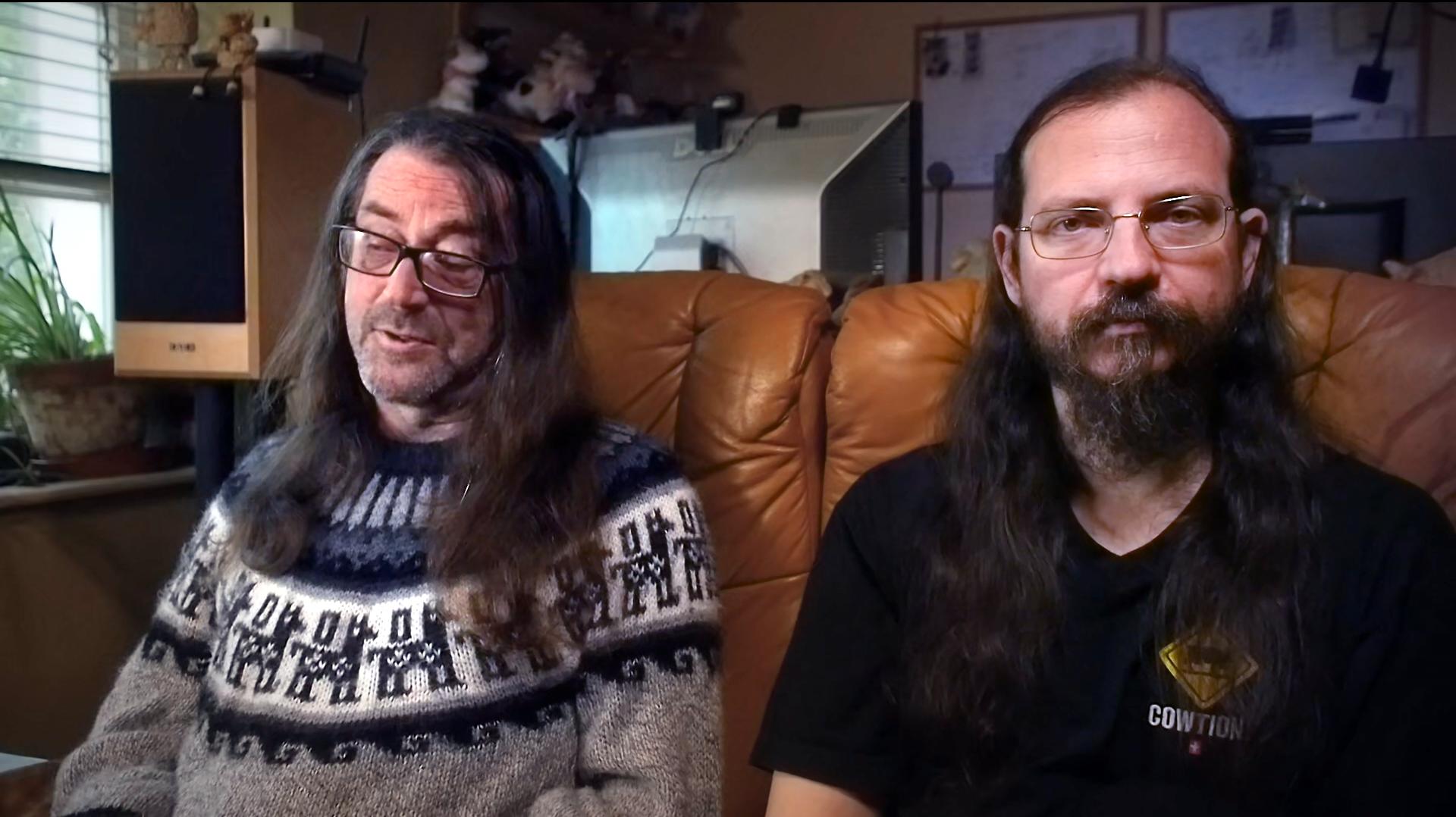
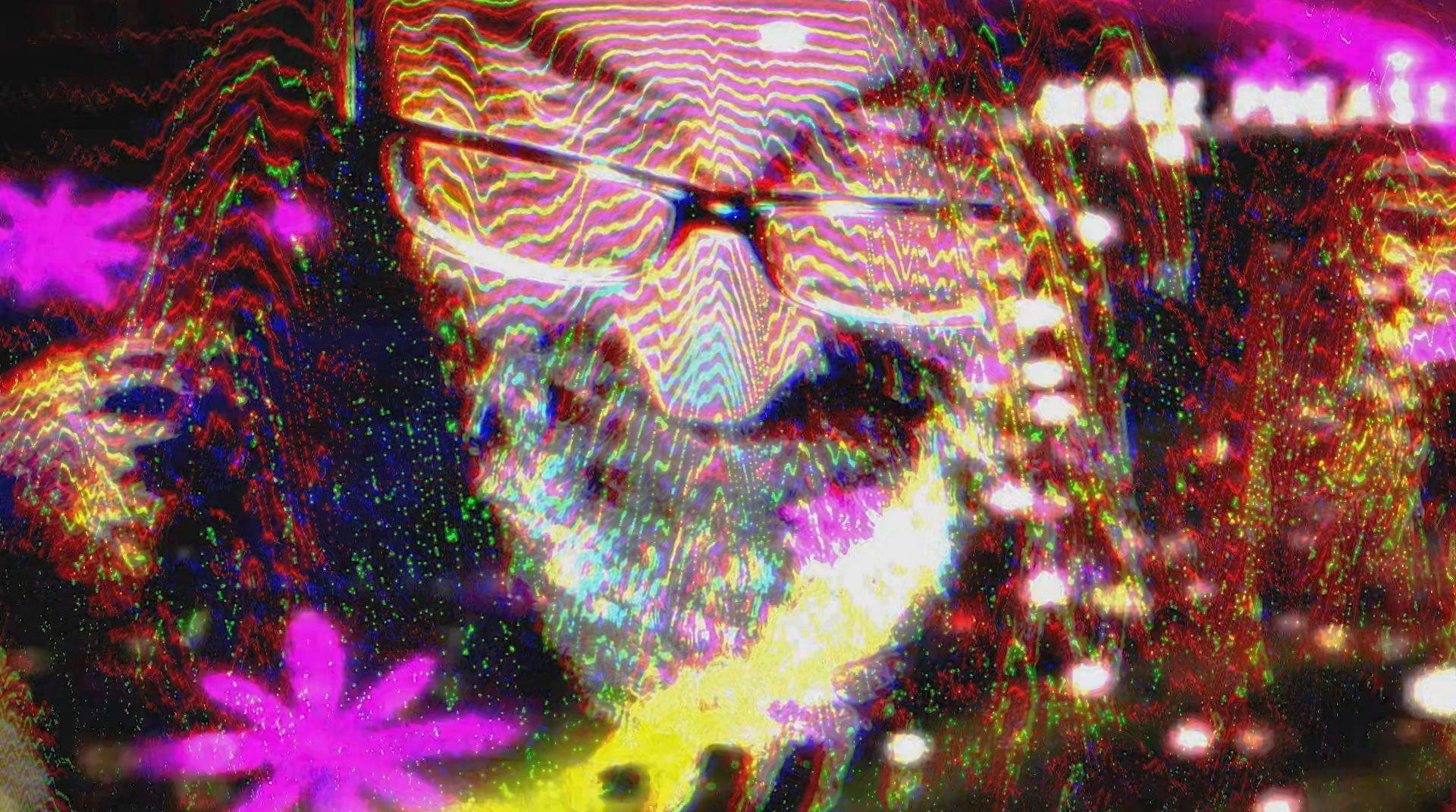
This is where the subject of Heart of Neon, Jeff Minter, hails from. Jeff made some of the greatest games of the 8-bit era. Laser sharp arcade games with tons of imagination, ludicrously bright colours and all kinds of bonkers particle and strobing effects. And he filled most of them with his favourite ungulates.
He then went on to make some of the best games of the 16-bit era, all filled with bonkers particle effects and a host of sheep, camels, llamas and goats.
He then made some of the greatest games of the 32-bit era...you get the picture. Pick an era of computer/video games and Jeff was there making the best arcade games and packing them with sheep and camels. And he's still going.
This documentary is his story. And as it's an indie, crowdfunded documentary, it's a story mostly told by his friends, fans and the occasional industry colleague.
This is perfectly fitting for Minter. In a games industry that has relentlessly become more corporate and commercial, he's always stood out as personable and independent. Something that is obvious any time you hear him speak or play his unique games. So hearing how warmly he's regarded by the people who know him best really brings out the humanity of him.
However, for me, this doesn't quite do justice to Llamasoft's achievements. I would have liked the documentary to be a bit more ambitious. To tell Llamasoft's and Jeff's story in parallel to a history of the British software industry. To be fair, it does talk about this, but it's not the focus of the film. It's there to give colour to Jeff's story, rather than the narrative thrust that I personally think it should be. Because I think that's the only way to explain what Jeff means to those of us who had Spectrums or C64's in the eighties.
It's not just that Jeff has survived all this time. It's not just that he's made some of the best games in every generation2. It's not just that he's the only one who's stuck to being a tiny one or two man independent the whole time. It's not the fact that he's still at the cutting edge of what a video game can be. And it's not even the fact that he's still making games with sheep and camels and llamas and goats in.
It's the fact that Jeff is literally a one-man, unbroken line, going right back to the birth of the UK games industry.
We're currently living in a time where a video game is about to become the most expensive entertainment product ever but the indie/hobbyist scene is as weird and experimental as it was in the eighties. The industry has bifurcated to the point that the two ends of the spectrum barely recognise each other anymore. One wants to re-write history for it's own commercial gain, whilst the other is too young to remember or celebrate that history.
Consequently, outside of a few kickstarters and a few magnificent websites, there's hardly anyone pushing a genuine celebration of the UK eighties computer games industry. Step into a retro games shop anywhere in Britain and you won't find any mention of Chuckie Egg, Caesar the Cat, Horace or Corleth the Fey. You'll be lucky to find a Quickshot 2, despite all of these being ubiquitous at the time.
And yet a new LLamasot game has the same feel now as it did back then. Trying to get your head around Akka Arrh has the same 'patting your head whilst rubbing your stomach whilst solving a cryptic crossword' feel that Iridis Alpha had. You'll grit your teeth and fight for your life as much in Tempest 4000 as you did in Gridrunner. And you'll delight in the sheep and llamas and camels in all of them. None of it quite makes sense, it's all so bloody weird, and yet it all just works.
Under the weight of corporatised and commercialised nostalgia for IP friendly franchises, the continued existence of Llamasoft is an irrefutable reminder that the early UK games industry existed and it was bloody glorious.
Poster Credit Available to purchase
1. Yes, I am doing this on purpose.
↩
2. Good lord, where do you even start with a favourite LLamasoft games? For me it's Tempest 2000, Iridis Alpha, TxK/Tempest 4000, Attack of the Mutant Camels (A game that dared you to fly as close as you can to a camel's arse without being spat at to death) & Gridrunner (any version).
↩
Author: KickingK
Date: Monday October 12th, 2026
Missed a sitter
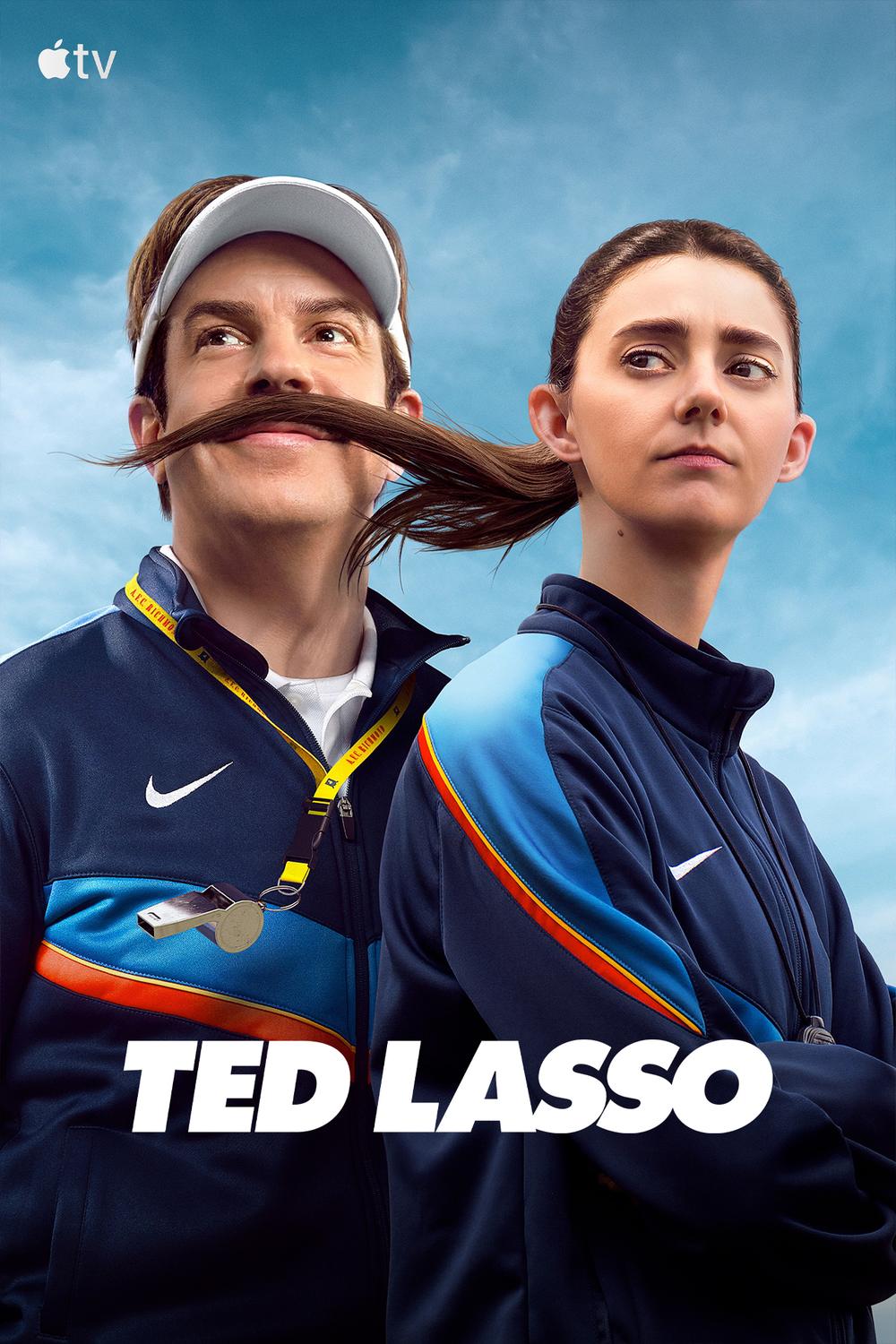
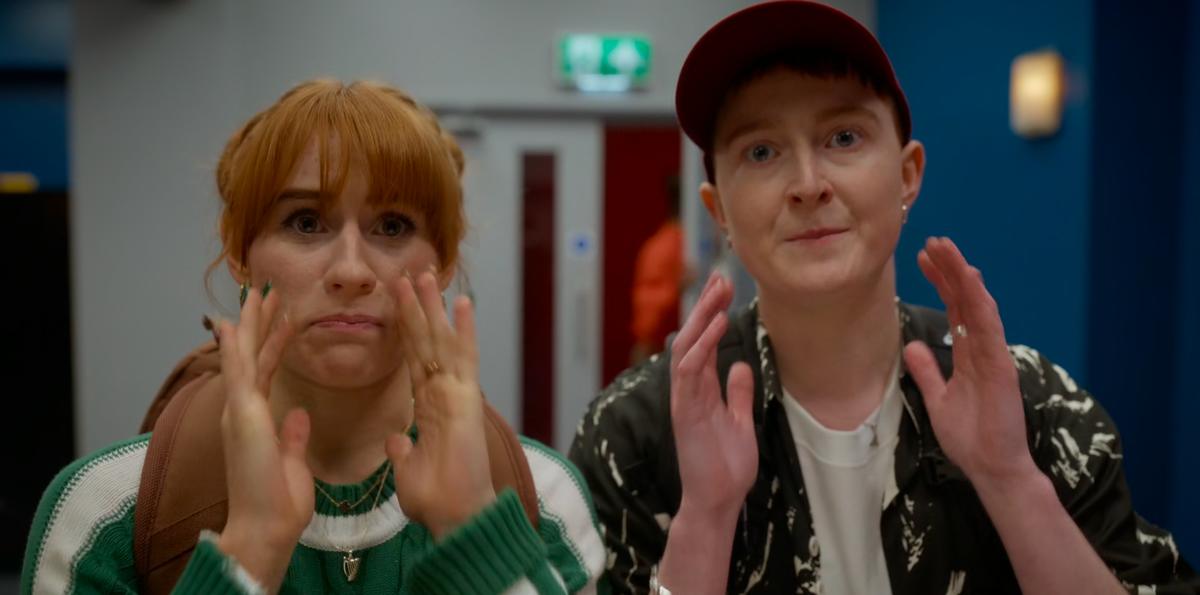
The thing that endeared me to Ted Lasso, right from the very first episode, was the way it treated the show's female characters. Here was a show about an incredibly male dominated world that had women in important, key roles, who all had their own personalities, drives, motivations and stories. They weren't just there to supply plots to the male characters. It showed that the writers had put care and thought into the structure of the show.
Over the course of the three series, it gradually started to care a little bit too much about it's characters, too often tipping into sentimentality. By the end, it felt like it had run it's course as it had nowhere else to go. It picked the right time to bow out.
So the news that the fourth series was to focus on the vastly different world of women's football was interesting. The writers ability to write for female characters combined with the fresh start of a new team in a new league promised a lot.
The problem is, the show can't let go of it's old characters and plot lines. Rebecca's relationship with a flying bus driver is given significant screen time. Keely and Roy's will-they-won't-they-of-course-they-bloody-will situationship just won't stop. Coach Beard's mid-life crisis continues.
How are all these character's stories integrated into the plot of the nascent Lady Greyhounds team? They're not. At all.
The stories of the football team and it's players have to compete for screen time with a bunch of plot lines that have got nothing to do with them. In previous series, all the disparate stories all revolve around the team, one way or another. Everything felt connected. Here, the football seems superfluous to most of what's happening. The team itself is given very short shrift.
Worse still, the show doesn't adapt to the very different reality of women's football. The men's Premier League is a world of staggering riches where every one has expensive cars and even more expensive suits. Lower league women's football is full of part-timers who have to have second jobs in order to be able to afford to play football. The show does acknowledge this, it depicts members of the team working as a Deliveroo driver, struggling with childcare, trying to balance playing and university, but does absolutely nothing with it.
In one episode, the millionaire owner of the Richmond football club, Rebecca, wrestles with the implication that she might not be a feminist because she gave the head coach's job to a man. But the fact that one player is sleeping in their car because she isn't paid enough by the millionaire owner of the football team that she plays for, an owner who at one point get's on a private jet just to go to a game, simply isn't commented upon. The tonal disconnect is astounding.
When it does focus on Ted and the football, it's brilliant. The whole team is interesting, packed with likable characters with interesting stories. The midfield twins of Siobhan and Niamh absolutely light the place up when given the chance. Alice and Gemma's relationship has real grit to it. And goalkeeper 'Boots' is just the right type of psycho.
Episode Eight features possibly the highlight of all four series so far. Ted having to deal with a character, and possibly a team, in crisis, and showing compassion, empathy and understanding. It's possibly the finest example of 'management' I've seen on screen and is deeply moving. It highlights just how good a manager Ted is, as well as showing the bonds within the team. Their fragility and strengths.
The problem is that it has to share screen time with an interminable Keely & Roy remake of Clockwise (a side plot that not only has nothing to do with the women's team, but doesn't even have anything to do with Richmond) and an appallingly half-arsed spy drama involving Higgins (which eventually involves a plot twist in episode nine that everyone watching would have seen coming in episode three).
The end result is that the story of the football team isn't given enough time to be fully fleshed out. When Alice's story completes, it's rushed and doesn't feel earned. The football itself feels like a sideshow.
The writer's of Ted Lasso know what they're doing. They're trying to keep the fans of the show happy by keeping the tone and plots familiar, whilst gender swapping the players of the football team. But the truth is that a show that once distinguished itself with the strength of it's female characters, simply doesn't give a shit about women's football or it's players.
Women's football deserves so much more respect than this.
Poster Credit Where to Watch
Tags: blog, film, action, 2026
Author: KickingK
Date: Saturday October 10th, 2026
Just watch some Miami Vice
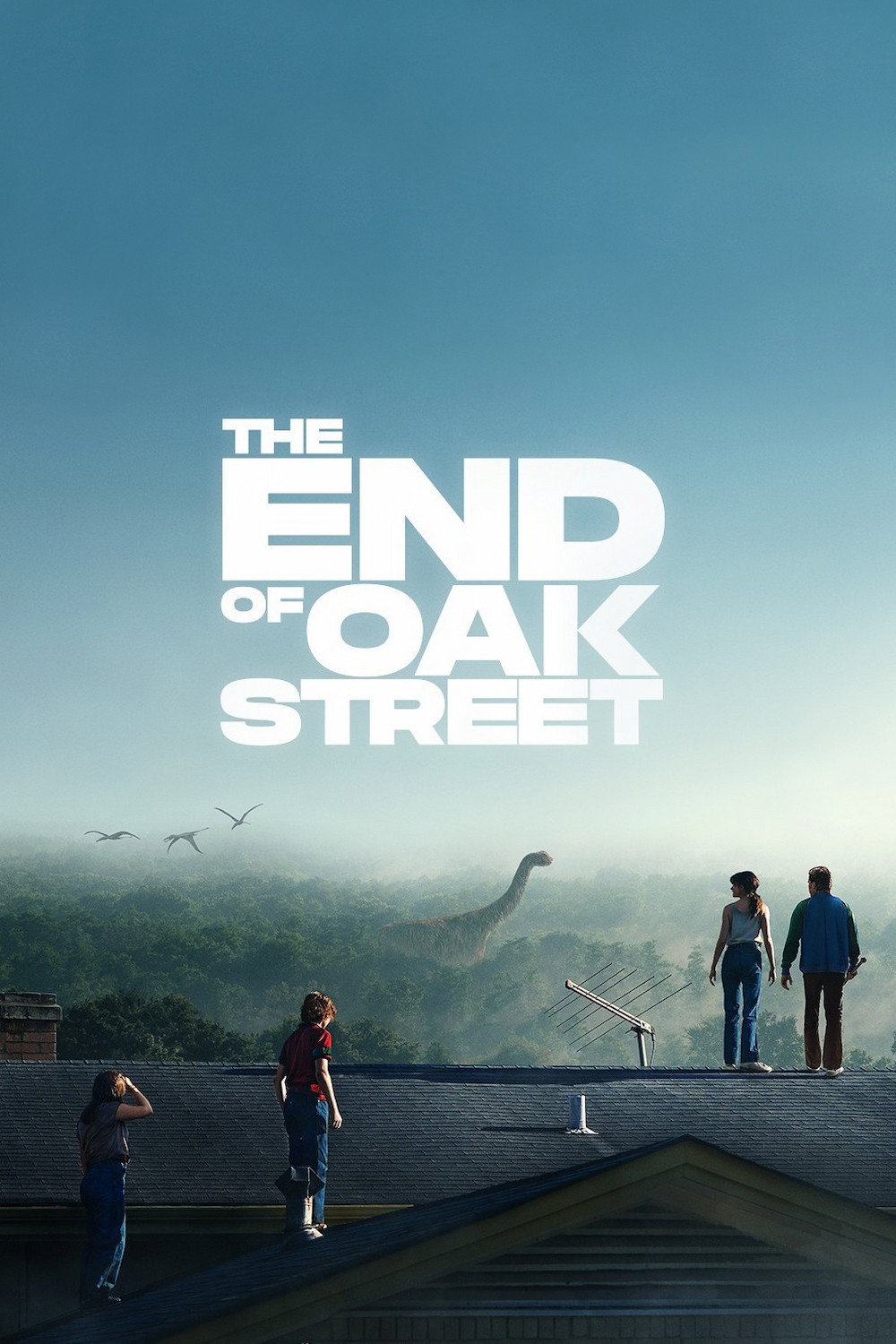
Writer/Director David Robert Mitchell previously made It Follows, which I absolutely loved. So I thought this might have a few interesting ideas beyond what the uninspiring trailer implied.
If I were to be kind to the film, I could argue that it's portrayal of suburban, middle-class America depicts a kind of lazy, isolated individualism that is utterly incapable of dealing with a local crisis that requires an organised, collective response.
That is putting it incredibly kindly. A more accurate description is that this is a film where a bunch of dumb, annoying idiots do dumb, annoying things for ninety minutes and then it ends. If you've ever watched a film and found yourself exclaiming "What are you doing?" as one of the characters does something obviously counter-productive then know that this is a film almost entirely composed of those moments.
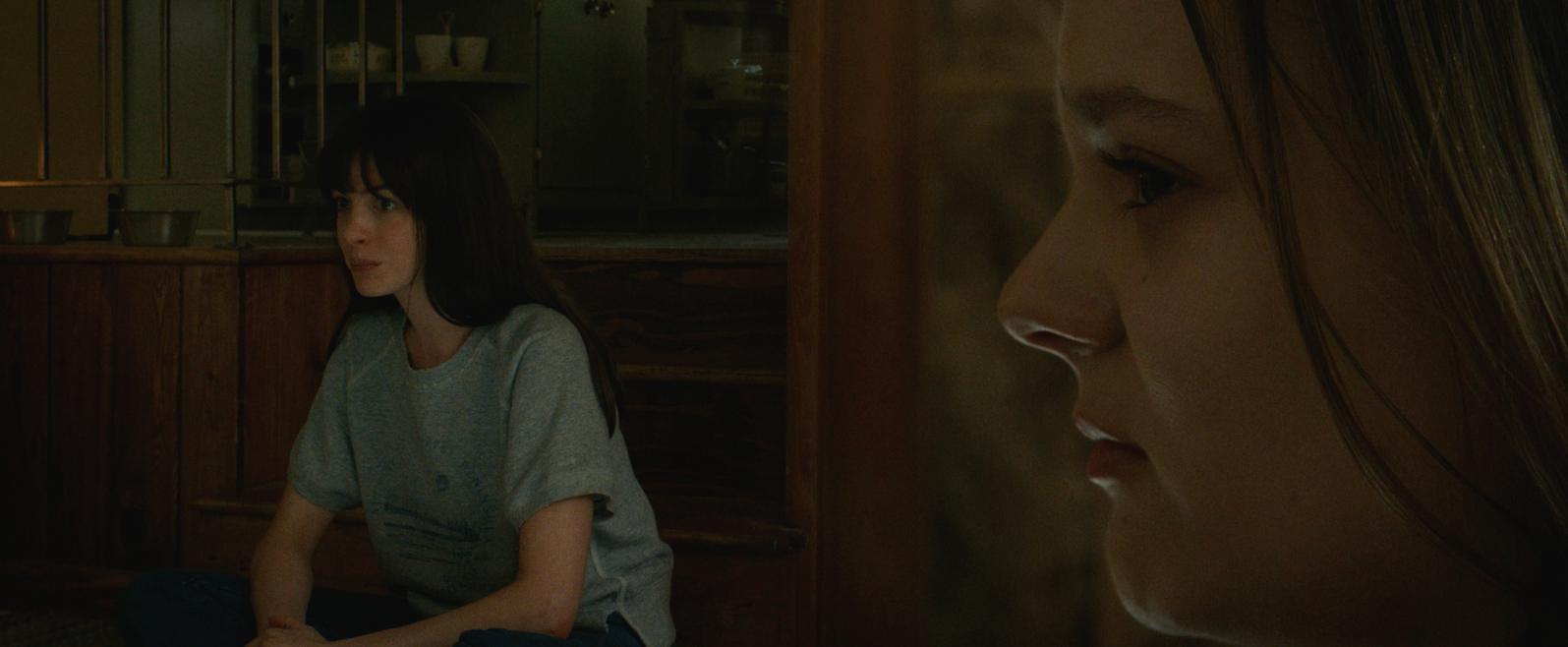
One day I'm going to get a dinosaur movie where the dinosaurs aren't just dumb, relentless killing machines and the film has something interesting to say. Today is not that day.
Poster Credit Where to Watch
Tags: blog, film, action, 2026
Author: KickingK
Date: Tuesday October 06th, 2026
Bang average
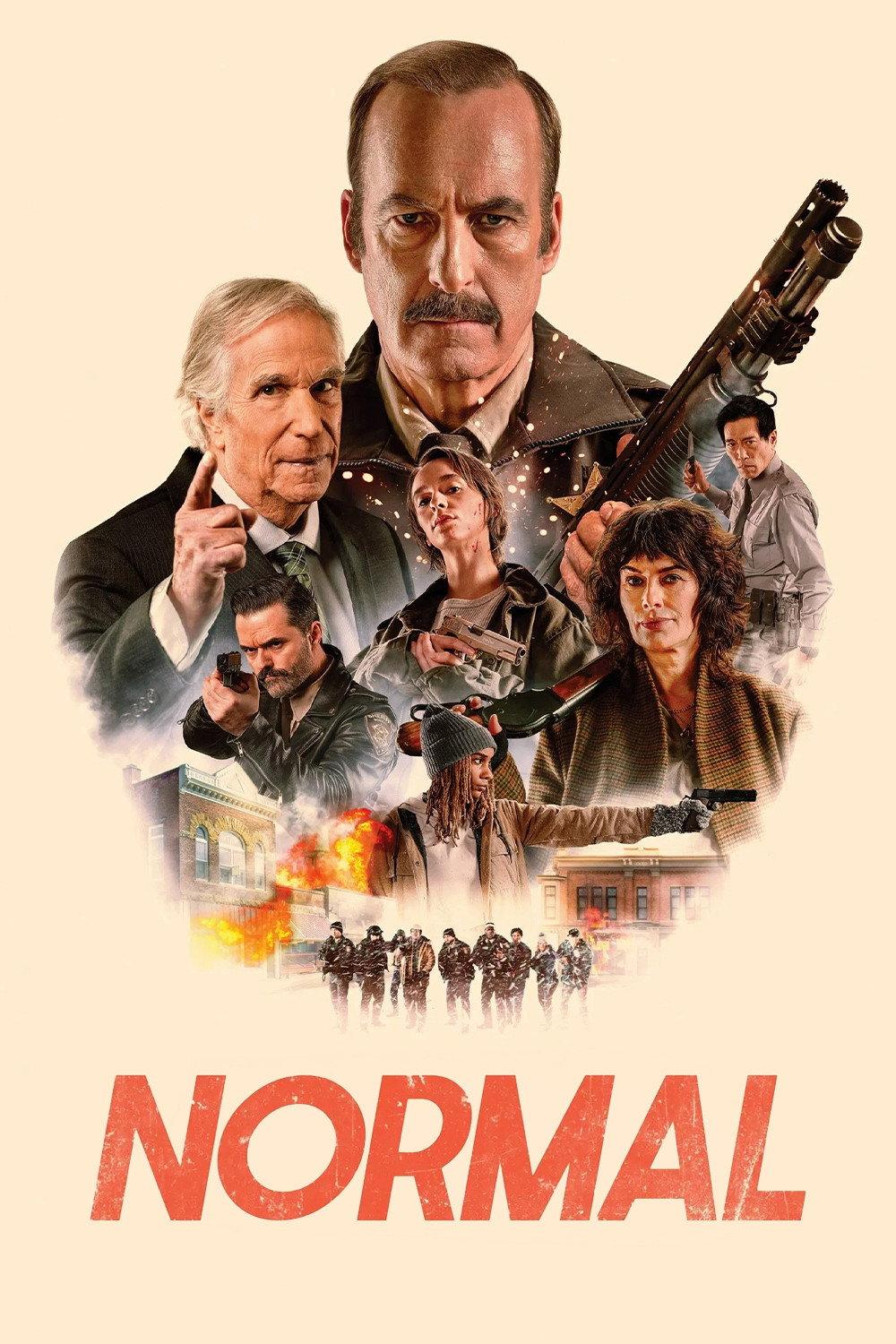
"Behind every great man is a great woman", and behind director Ben Wheatley is usually his wife and screen writer Amy Jump. Together, they made terrific films like A Field in England, Kill List, Sightseers, High Rise. Without her, he's made Meg 2: The Trench and Normal.
The real shame is that with a bit more time, care and talent spent on the script, this could have been a decent enough low budget action flick. Just before the halfway point it looks like it's building towards a coherent riff off Hot Fuzz, a dull but efficient cop squaring up against an entire town of busy-body locals with access to a military grade arsenal.
But it all sloppily unravels, threads drift off, ideas go to waste and nothing amounts to anything. The talents of Henry Winkler are thrown away for a single joke. Lena Headey's are poured away on far less than that. It's not bad, just mediocre.
If the OTT action promised by the trailer looks interesting then check out Nobody, which is a mess but escalates it's violence to much better comic effect. Avoid the appalling sequel.
And if you're hankering for a tight, lean, low-budget/high concept nineties style action-thriller then Black and Blue]is just *chef's kiss*.
The worst thing I can say about this film is that Wheatley and Jump have already satirised this kind of bullets-flying action film in the excellent Free Fire. So you end up spending most of Normal just wishing you were watching that film.
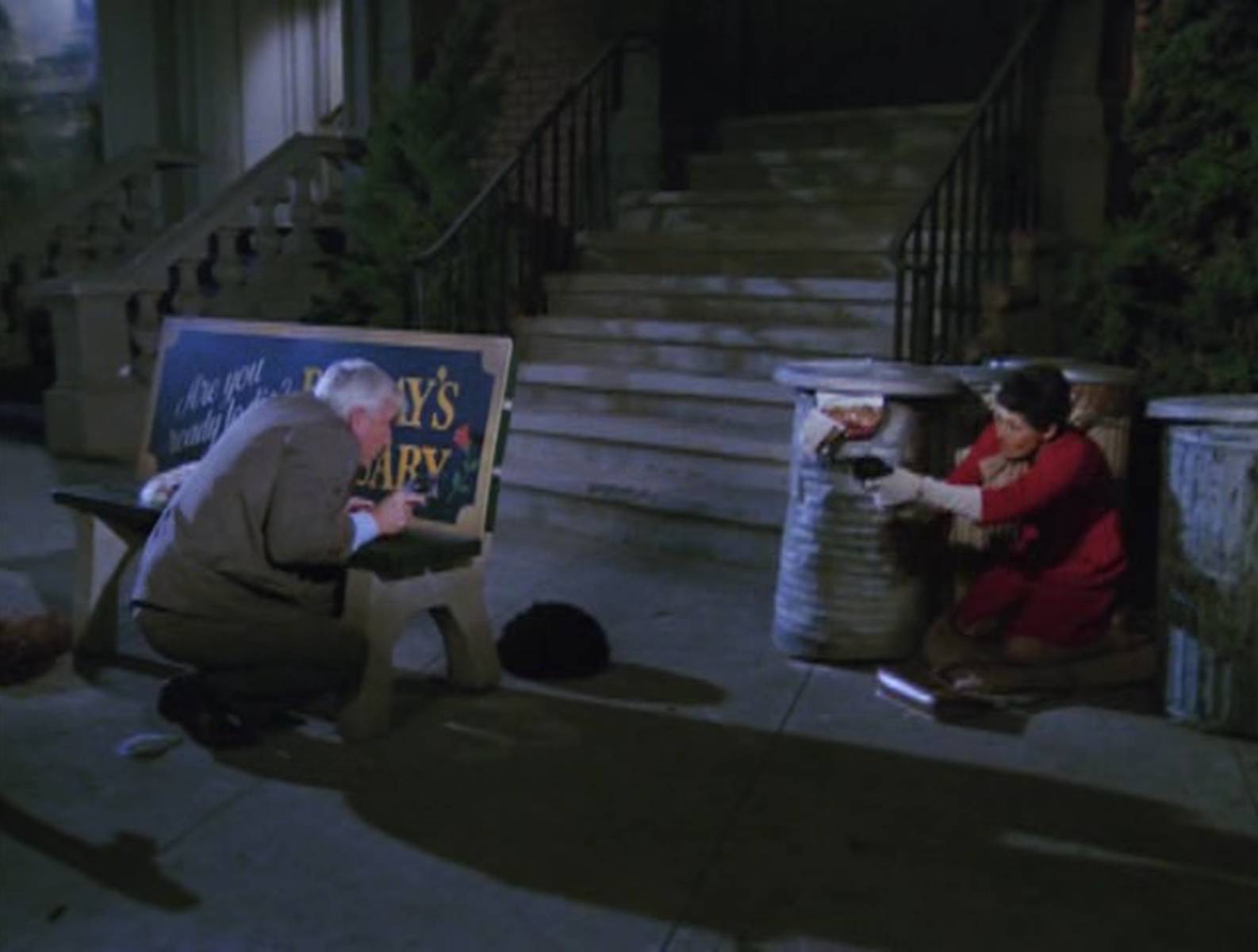
At one point, two characters end up in a shoot out, both finding cover behind the same car. It's almost literally this scene from Police Squad.
Poster Credit Where to Watch
Tags: blog, film, horror, essential, 2026
Author: KickingK
Date: Saturday October 03rd, 2026
I sent a message through the internet but it rejected

“I know writers who use subtext, and they're all cowards.” Garth Merenghi
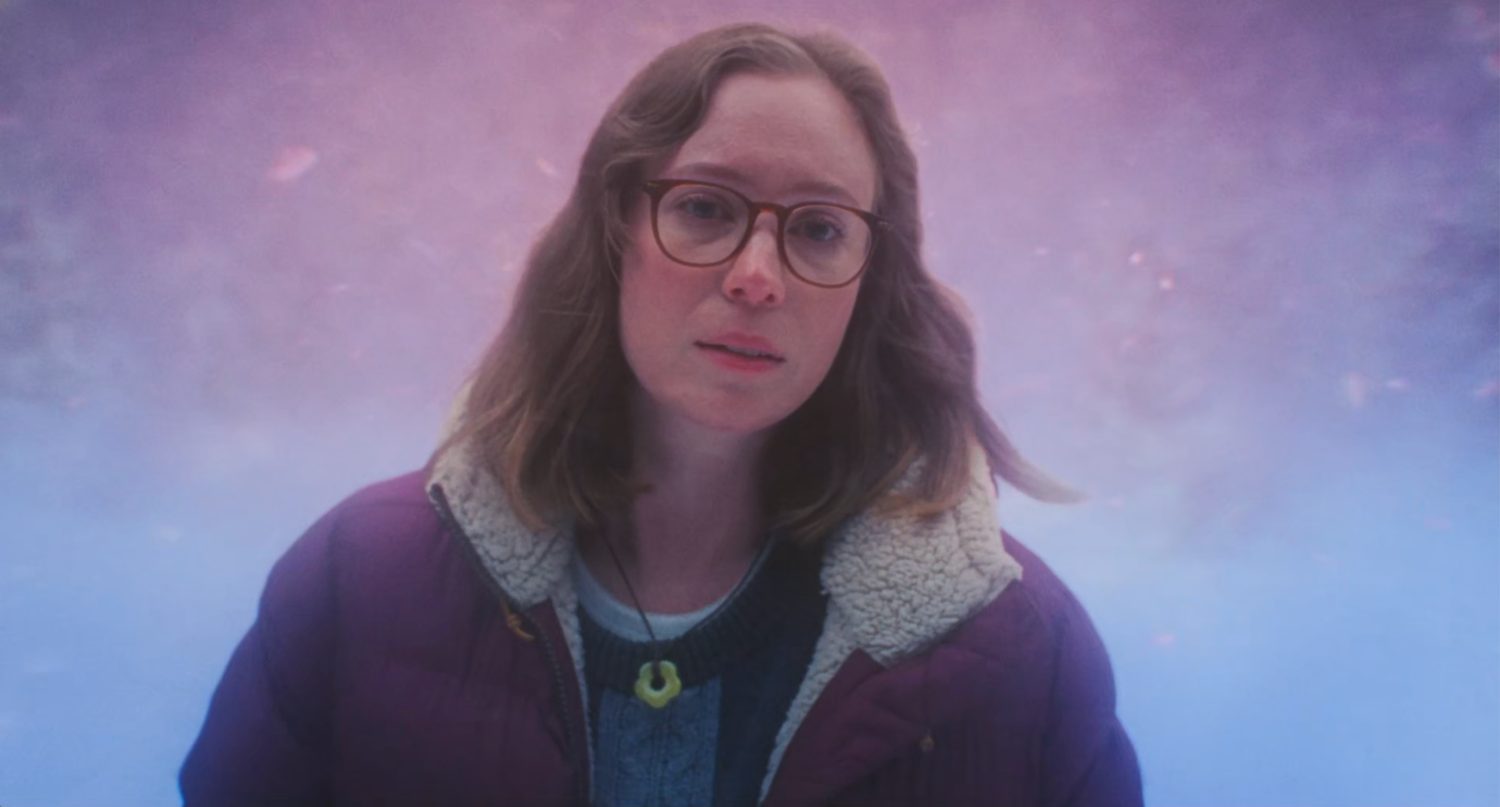
What kind of horror movie is Camp Miasma? It's extremely mercurial for most of it's run-time, never fully committing to one particular flavour of horror. Or at least making you aware of where it's going.
The very meta-ness of it's conceit (Hannah Einbinder's Writer-Director Kris is reviving the 'Camp Miasma' horror franchise and seeks out the original film's Final Girl, Gillian Anderson's Billy, for inspiration) evokes obvious comparisons to Wes Craven's New Nightmare, which the script very sniffily laughs out the room, practically scolding it's audience for thinking it's going to be that obvious.
So is it a straight slasher? It has brutal, over the top stabbings and swimming pools worth of blood. But doesn't take the time to really set the scene. They're schlocky, not shocking.
Is it a horror-comedy? It's certainly funny, but it doesn't use the tension of it's horror to build up the jokes. The jokes are weird, not gut-busting.
Is it a surrealist, tonal piece that builds uncertainty and unease? Kind of. But then you have a whole murder spree that's started by someone getting a pole shoved up them and then beaten against a tree until they explode. It's difficult to let it under your skin when the all the skin in the film is flying everywhere.
Is it a psychological horror following a descent into madness? Well Gillian Anderson is certainly vamping it up. But Hannah Einbinder is spending just a bit too long looking at her with her big goopy eyes and...there we go...
Gradually, the film builds and builds towards the kind of horror it actually wants to be: the horny kind. So horny. A single moment of subtext in the 'source' material, a moment of queer enlightenment, is re-worked only with the text front and centre, loud and proud.
That build up takes everything I've mentioned so far: the blood, the gore, the comedy, the weirdness, the intelligence and the sex and rolls it into an ever tightening climax that is one for the absolute ages. Einbinder deserves an oscar for that one scene alone. After which, the resultant release is just joyful.
This a film about seeing a sliver of yourself, tucked away, hidden in film, and then re-working it so you see your entire self, large as life. No subtext needed.

Poster Credit Where to Watch
Tags: blog, tv, comedy, essential, 2026
Author: KickingK
Date: Wednesday September 30th, 2026
All Gas and Gaiters
I need to be careful here as I’m going to make some sweeping generalisations about a genre that I’m not particularly knowledgeable: American sitcoms.
I mean, sure, I’ve watched quite a few. I’ve even loved a fair few as well: Frasier, Roseanne, The Good Place, M*A*S*H, Mork and Mindy.
But I’m not as knowledgeable about them in the same way that I am about UK sitcoms.
So, from my view from across the pond, there's a fundamental difference between the genres of British sitcoms and American sitcoms. And its the notion of being trapped.
A short, but admittedly slightly selective list of truly great British1 sitcoms:
- Black Adder - Trapped in the British class system
- Red Dwarf - Trapped in deep space
- Cabin Pressure - Trapped at work
- Father Ted - Trapped on an island
- Steptoe & Son - Trapped in an abusive relationship
- Porridge - Trapped in prison
- Bottom - Trapped in gross incompetence
- Only Fools and Horses - Trapped in poverty
- Fawlty Towers - Trapped in the British class system, work, an abusive relationship & gross incompetence
You get the picture.
This makes sense for the structure of the genre. The sitcom was for decades, up until the ubiquity of handheld digital cameras, effectively a half hour comedy play that had to take place mostly on the same set. Any story that happens on that set must explain why the protagonist doesn't just get up and walk out and why they’re back to square one the following week. And the more outlandish and humorous the story, the more bullet proof is the required reason for staying put.
Basil Fawlty has invested everything in Fawlty Towers, the idea of him walking away is as unthinkable as Edmund Blackadder just walking out of the trenches. It just can't happen. And so each episode starts in the same way all the others did, with the main character trapped and trying to escape.
Except that's not how US sitcoms work. They have the same reliance on set, on everything being the same at the start of each episode, but the characters aren't trapped and fighting to get out.
The cast of Cheers aren't trapped by alcoholism. Frasier isn't held at his radio show by blackmail or an inescapable mortgage.
I suppose we could argue that workplace and family sitcoms trap their characters. We can’t choose our family or bosses, we’re stuck with them as much as Richie is stuck with Eddie. But few of those American characters are fighting tooth and nail to escape from their predicaments.
OK there are a few: some of the cast of M*A*S*H are as desperate to escape as Edmund Blackadder. But the only American sitcom that I know of that tries to crush it’s characters in a pressure cooker for our amusement is The Good Place. The setting of which (trying to avoid spoilers here) is very telling as to how American’s view British sitcoms.
Maybe it's the subconscious effect that living on a small island, has on people. We Brits love our seaside holidays. It's a privilege to never be more than a few hours away from a beach from which we can look out on the vast, expansive ocean. But whilst doing so, you're always reminded that that is as far as you can go, without undertaking an activity that humans weren't fundamentally designed for.
And maybe Americans don't have that experience? Even when staring out to the ocean, they can always turn around and travel across vast, expansive, continent scale geographies. Maybe the notion of being trapped isn't something inherent to them in the same way it is for us Brits.
Maybe. Like I said, sweeping generalisations, not particularly knowledgeable.
So, what has this got to do with Hacks?
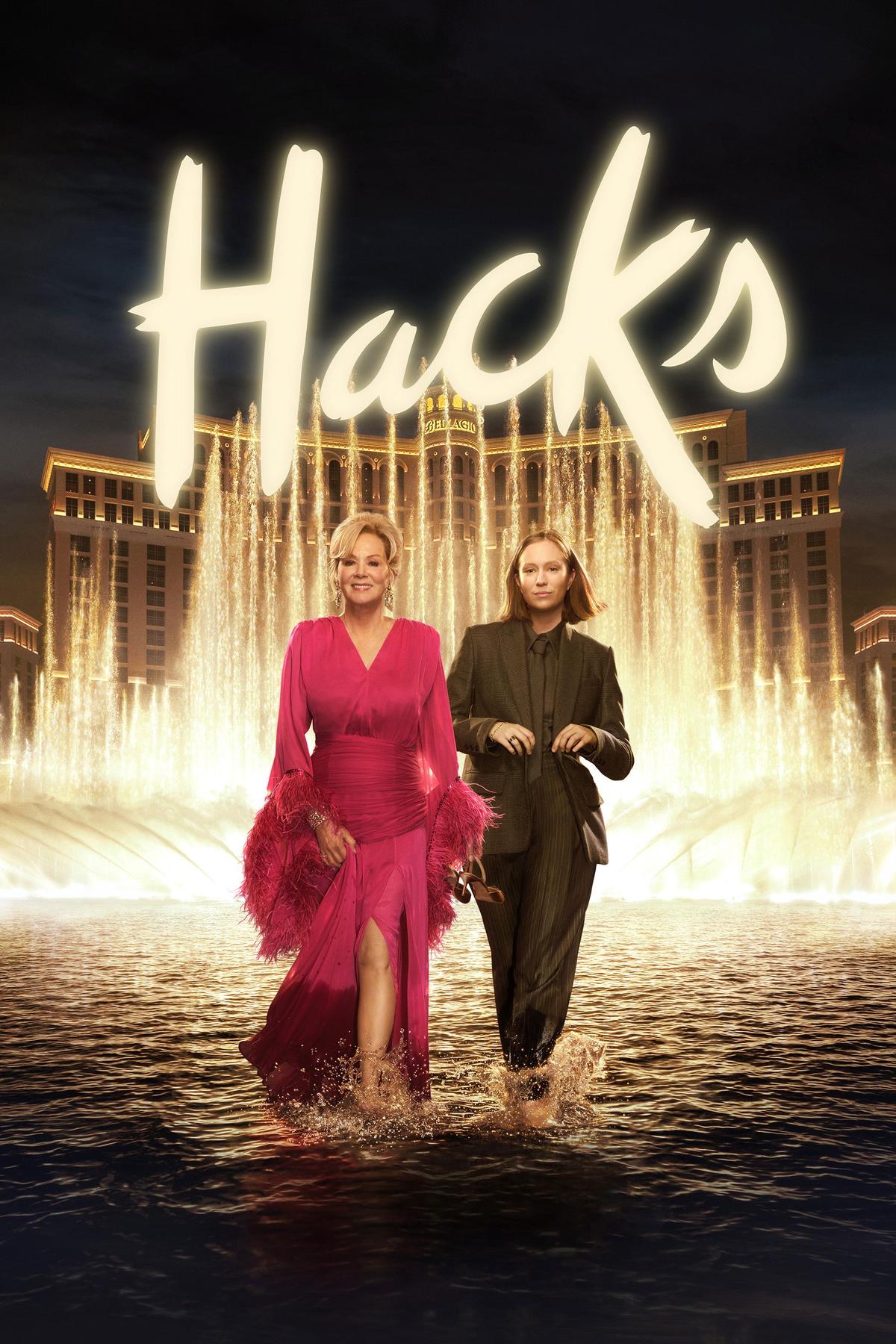
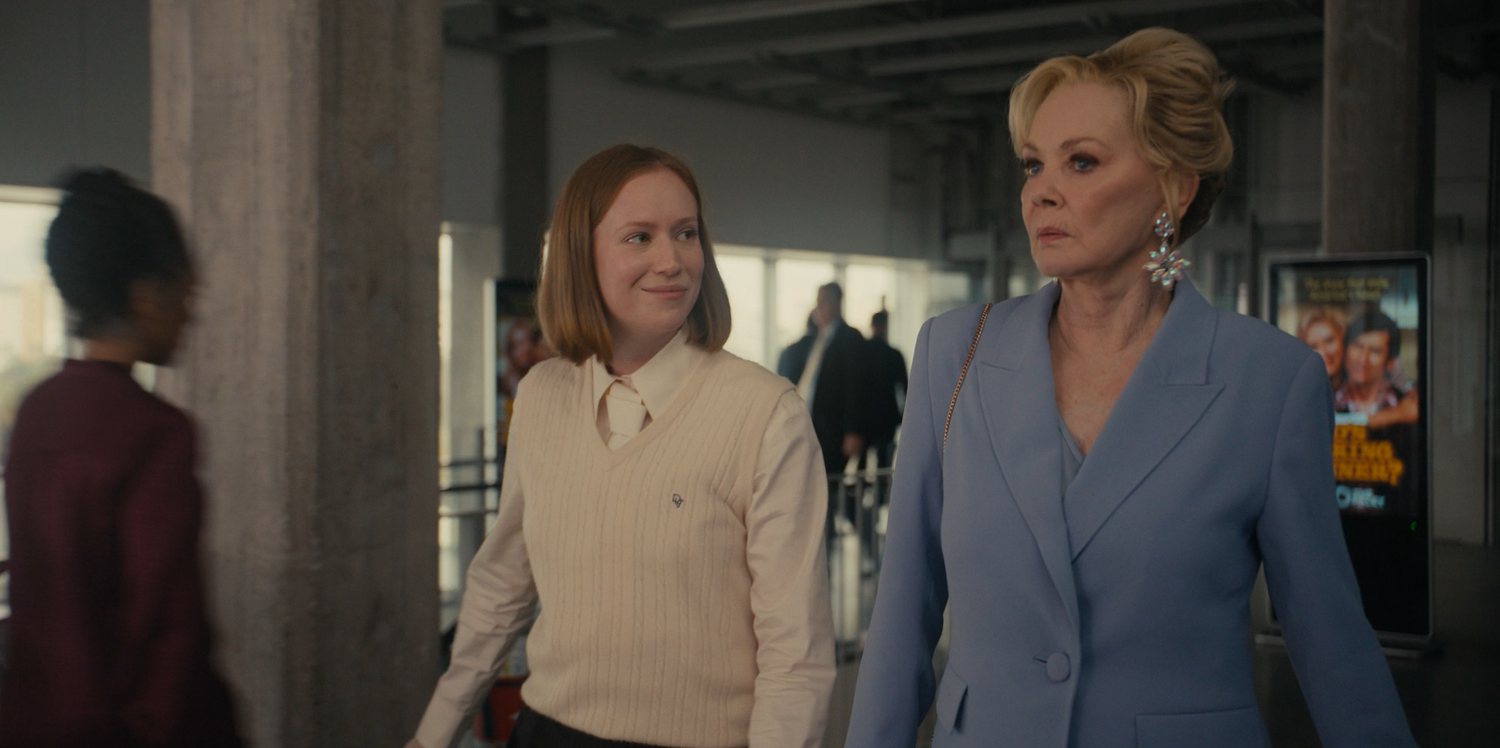
Well, the main characters of Hacks are also trapped. Not by their situation, but by themselves. Deborah Vance, an ageing stand-up comedian, coming to the twilight of a highly successful career. Only she doesn't realise that yet and certainly isn't ready for it. She needs a joke writer to help bounce ideas off and polish up quips for when she's cutting the ribbon on a new supermarket. But her agent, Jimmy, is struggling to find someone as nobody wants to work for an act that's so obviously a dead end.
What Jimmy does have on his books is Ava, a young, up and coming comedy writer who is on her way down and going nowhere after being canceled. She posted something stupid, got fired and (as she's not a rich, old, white guy) can't find any work. She's jobless, aimless and lost.
So Jimmy sends her to Deborah. Quelle surprise, they hate each other from the moment they meet, immediately having a blazing row in which Ava resigns and Deborah fires her.
Except that row is funny. Really funny. Funny enough to make Deborah realise that Ava is someone she can use even if she pisses her off. The key word of that last sentence is use. And where else is Ava going to find work? She needs a way to work, to hone her craft and rebuild her reputation.
And thus the trap is set.
Because whilst they both realise they need each other professionally, they actually need each other a whole lot more than either comprehend or will admit. And the moment either of them start to realise how much they depend on the other, one or both recoils, pushes away and then everything collapses again until they can begrudgingly reconcile.
The way the traps are constructed vary in quality. Some are little clunky, others are breathtaking. The final episode of Series 3 is one of the finest constructed cliff hangers ever seen in a sitcom. A series of scenes that winds everything so tight that the explosion is inevitable and still shocking.
And all of those traps are laid by Deborah and Ava themselves. Two people trying to come to terms with a relationship that neither of them asked for, but both need. There are articles to be written about the themes of legacy, mentorship and inter-generational friendships (none of which I'm going to write as I've already spent far too long waffling about sitcoms) as portrayed in Hacks. As in the best comedies, it's richly textured.
Most importantly though, this is funny, funny, funny. Every episode guarantees at least one belly laugh and regular chuckles. Especially as the show starts to get to grips with it's characters and how the actors are playing them. The way the later episodes utilise Hannah Einbinders ability to make goopy eyes at dazzling blondes2 comes from the writers knowing their cast and using them to the fullest.
The fifth and final series lacks the bite of the previous four. The creators have, by this point gotten too fond of their created family. It still contains some of the best episodes of the entire run. However, at the end of the final episode the trap snaps shut again. Everything back as it was at the beginning. But is it even a trap if you are where you want to be?
Poster Credit Where to Watch
1. Yes, Father Ted is Irish but it was made by a UK production company for a UK TV station, so it counts. Also, it was half written by someone who went on to become a vile transphobe so make sure you pirate it if you want to watch it.
↩
2. Foreshadowing for a later review.
↩
Tags: blog, film, horror, essential, 2026
Author: KickingK
Date: Monday September 28th, 2026
Giddily exciting

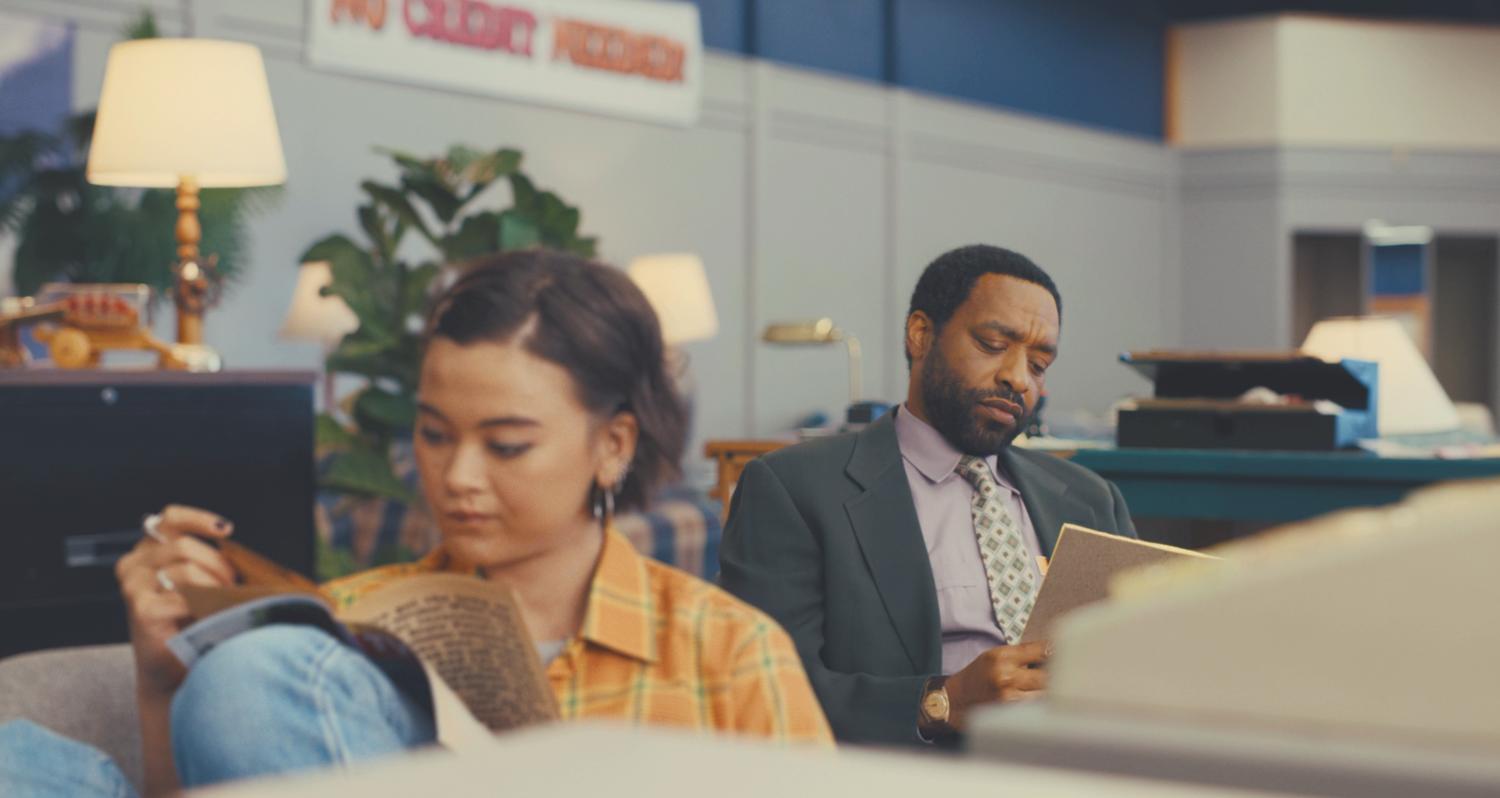
Working in retail for most of my adult life, I'm extremely familiar with the kind of empty, or useless space, that now gets referred to as 'liminal space'. Empty, featureless corridors that serve no use other than to connect two fire doors. An extra, unused store room or office space for a business that's moved into a building slightly too big for it's usage. Weird gaps above, below or beside the tacked on facade of the shop and the actual structural shell of the building it's in.
And as a life long player of video games, I'm also intimately familiar with 3D video game architecture. The kind of architecture that's designed to mimic or evoke real world spaces, but with the intention of providing a space to play in, rather than a space to live or work in. That disconnect of intention resulting in a kind of 'uncanny valley' effect, where everything looks kind of real, but also feels just slightly off.
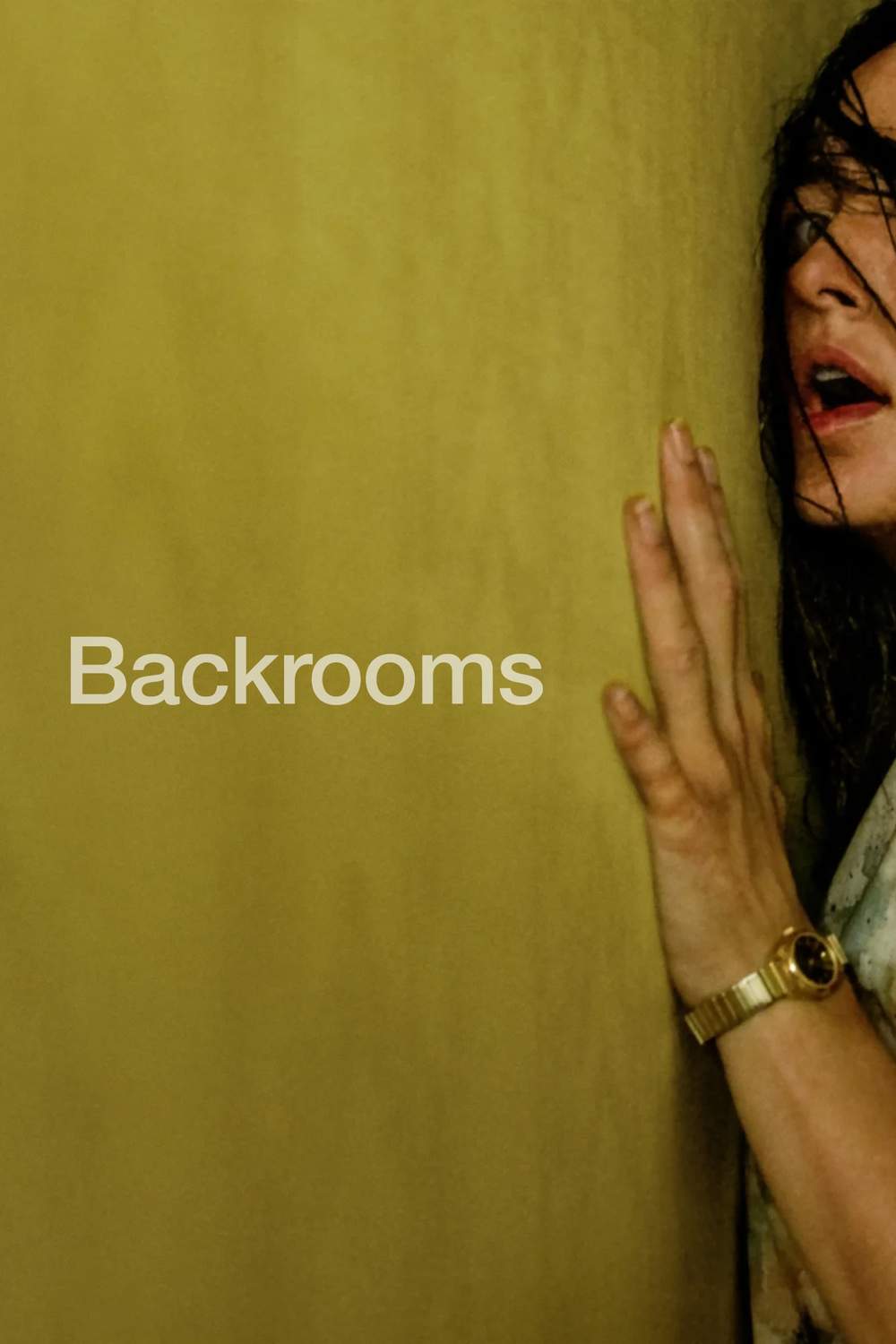
Backrooms combines these two aesthetics superbly. Mostly set in a kind of hybrid empty retail/conference/hotel/warehouse space that hasn't been designed for any of those purposes, but evokes that form anyway. The link to video games made explicit via the way that furniture and furnishings 'glitch' through the architecture like a buggy first person game. The makers of backrooms lean into this sense of unease completely and wholeheartedly, basing everything around the feeling that something isn't quite right.
This extends to the lives of the characters. Both Chiwetel Ejiofor's Clarke (who finds the near infinite backroom) and Renate Reinsve's Mary (his therapist, who sets out to find him and bring him back) have lives that are holding patterns, going nowhere. They both look like one thing, but something isn't quite right. They're the space where a person should be, a gap in the shell of a life, missing the purpose that would fill their shape.
The result is not only a sense of profound dread, but also one of comfort and familiarity. Nostalgia, almost. As I say, I'm familiar with these spaces, or at least the concept of them. I'm familiar with these lives. Most of us have been in a dead end job, or without a job at all, lacking purpose or direction. The trap with these situations is how easy it is to stay in them. How comforting it is to sit still in our own entropy. How still and peaceful that empty space is.
This, along side We're All Going to the World's Fair and I Saw the TV Glow have created a genre of modern horror where the terror is as comforting and beguiling as it is horrifying.
Maybe this means that even the most existential dread we can conjure still feels strangely personal and comforting, compared to the impersonal, planet-burning reality we actually live in. Or maybe it's about the way that algorithms and marketing constantly try to personalise, tailor and individualise our experiences but never do so in a human way. The 'uncanny valley' gap between a person enthusiastically recommending their new favourite thing, and an algorithm constantly trying to sell you whatever slop it thinks will keep you on a platform for thirty seconds longer. The latter mimicking the former, creating a slick, grotesque simulacrum of culture.
Either way, Backrooms contains enough ambiguity to allow anyone to pour their own thoughts into the movie. It invites the viewer to stare at it. To look hard at the monsters we create, and not just sit passively in their view.
Poster Credit Where to Watch
Tags: blog, film, horror, 2026
Author: KickingK
Date: Monday September 14th, 2026
's alright
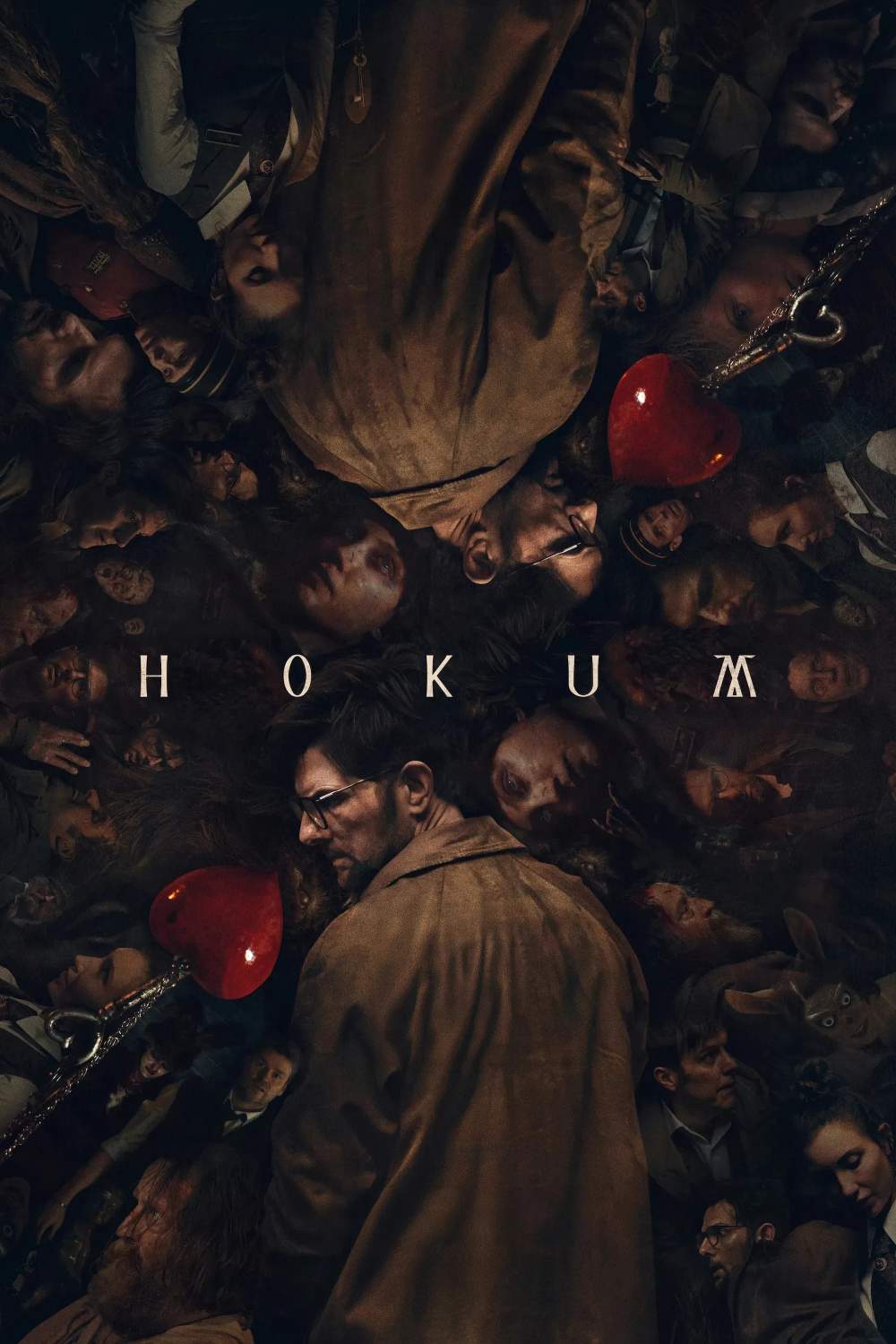
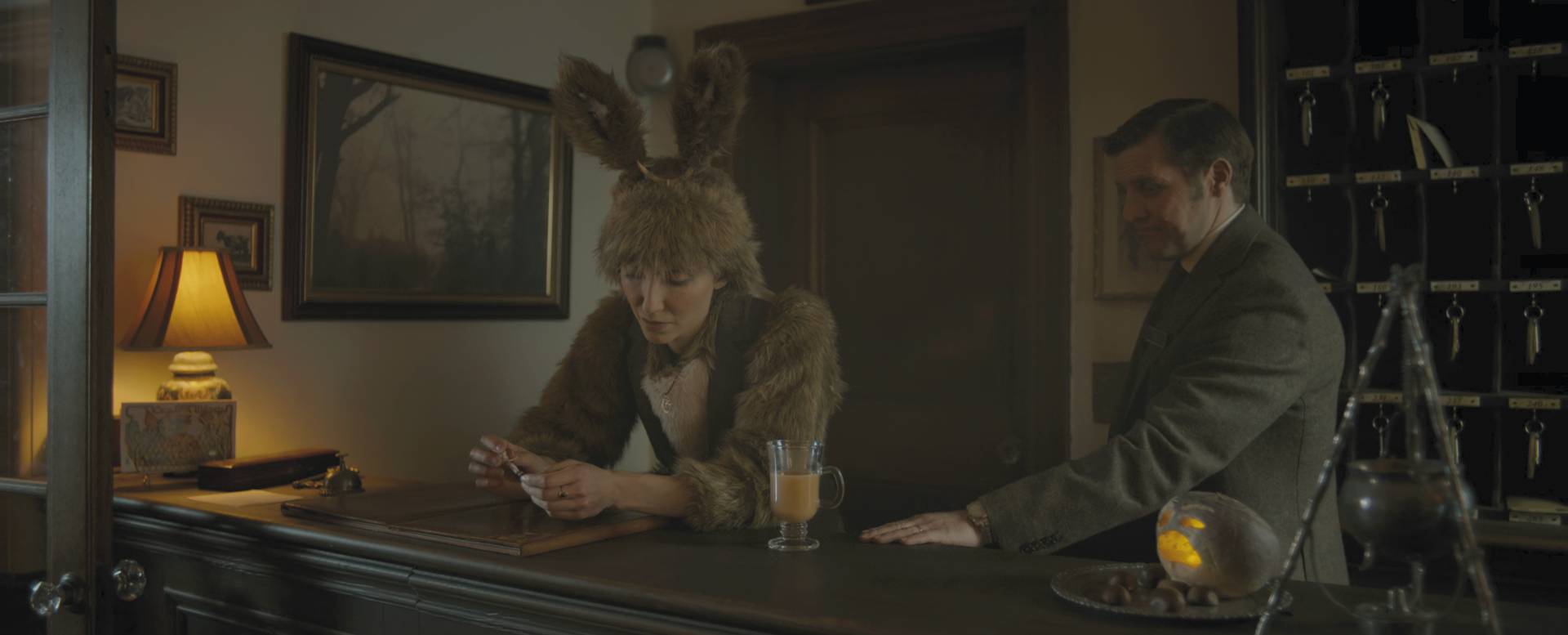
Hokum is the rarest of rare things, a horror movie I find merely 'ok'.
Horror movies are usually love or loathe for me. They either get under my skin and creep me out or, much more commonly, absolutely infuriate me and insult my intelligence.
Hokum does neither of these things. It's perfectly well constructed, the plot moves along at a decent pace, it know not to insult it's audience by treating them like idiots. The jump scares are a bit predictable, but work anyway, it's decently creepy. Adam Scott plays a complete arsehole but knows how to do it without making his character irredeemable.
But it all adds up and amounts to not very much. There's nothing here that get's under the skin. It never gets really nasty and never boils over. Tension builds but never explodes.
At the end there's an undercurrent of the Magdelane laundries, a genuine real life horror from Ireland's recent past that's far, far worse than anything in this film. It's a faint and brief connection, possibly I'm reaching too far, maybe there's some clearer signposting that I missed, but the rest of the plot does nothing to link to it. Either specifically or tonally so it adds nothing to the film.
A perfunctory, well made horror. Nothing more, nothing less.
Poster Credit Where to Watch
Author: KickingK
Date: Thursday September 10th, 2026
A Persian Hermione Grainger

A day, a long day, in the life of Ziba, as she celebrates her exam results with her friends. Ziba wants the day to be perfect (and has planned it in meticulous detail) before the end of the day and...
The film sets the stakes out right from the start but then let's Ziba make the choice to put all that to one side to spend her day with her friends. She doesn't want to be pitied, the film doesn't want us to pity her. The outcome isn't important, the day is, the day has to be perfect.
And, in a way, it is. It's long and never-ending, in the way that teenage days and teenage years are. Like it's going to last forever, only realising much, much later that it was all over in a blink of an eye.
Ziba and her friends are enjoyable company. Incredibly smart, impossibly beautiful, ridiculously giddy. So enjoyable that the film is comfortable letting us enjoy the day with Ziba, the drama isn't the focus, the day is, the experience is.
Part of that experience is the soundtrack. Part urban, abstract pop, part dream-like Iranian-flecked score, it's a constant, lush presence throughout the film.
But you can only hold back the rest of your life so long, the inevitable has to crash in before the end of the day. Reality bites, childhood ends, A lusher depiction of a teenage summer you'll struggle to find.
